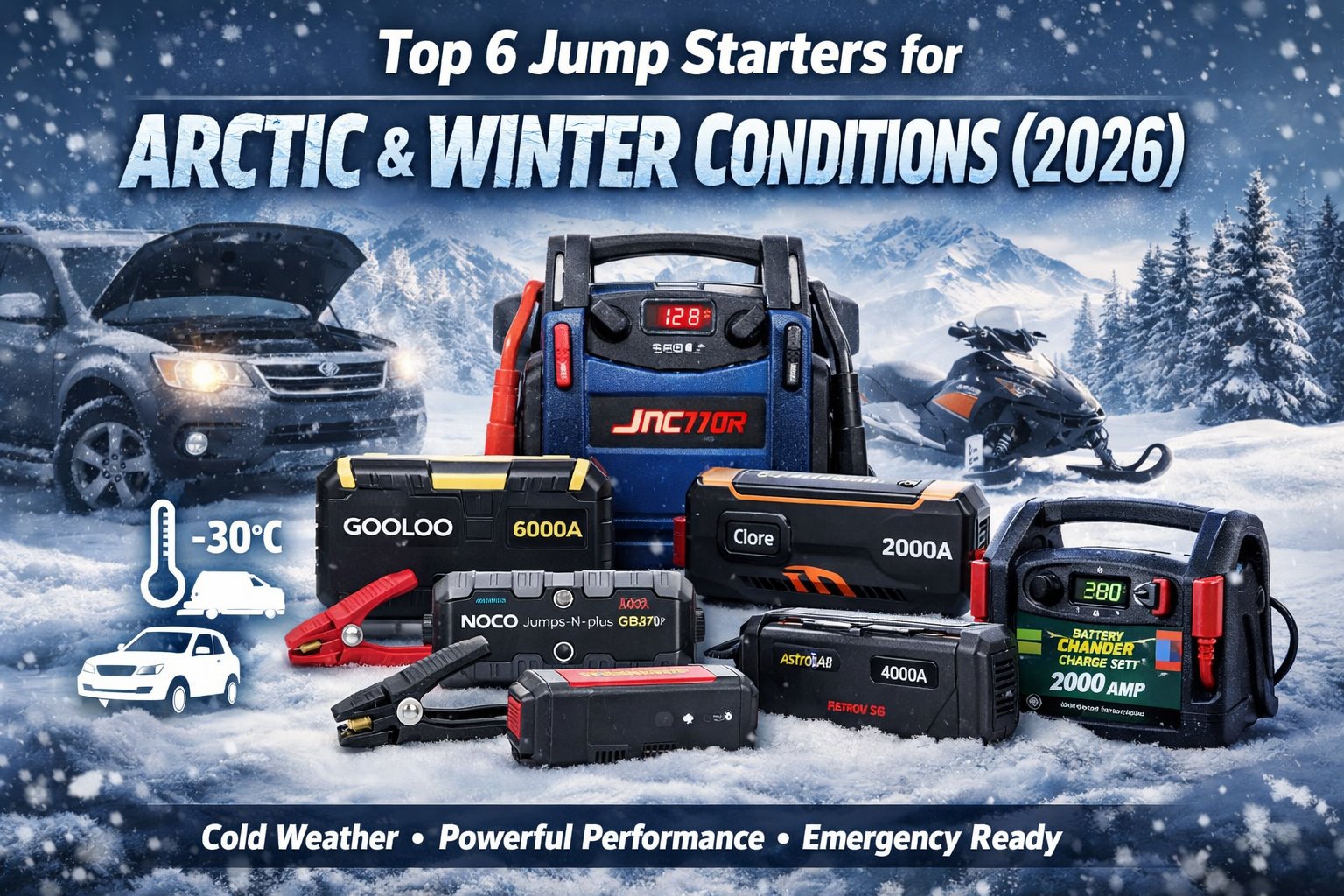
If you spend time in cold climates—like northern Europe, Canada, or Arctic‑border regions—a dead battery in freezing conditions is not a matter of “if” but “when.” A portable jump starter lets you start your car, SUV, snowmobile, or ATV without waiting for roadside help in the snow. Below, we break down the top 6 jump starters in 2026, focusing on reliability, cold‑weather performance, safety, and value for Arctic and winter use.
Why You Need a Jump Starter in Arctic & Winter Conditions
Car batteries lose a significant portion of their capacity once temperatures drop below 0°C, making them much more likely to fail after a long parking period or short trips. Traditional jumper cables also require a second vehicle, which may not be available in isolated areas or during snowstorms.
A modern jump starter combines a high‑capacity battery with safely rated clamps, built‑in safety features, and often USB ports to charge your phone or GPS. For ArcticFinds readers who drive in harsh winters, have RVs, or use off‑road gear, carrying a portable jump starter is as essential as carrying snow chains or winter tires.
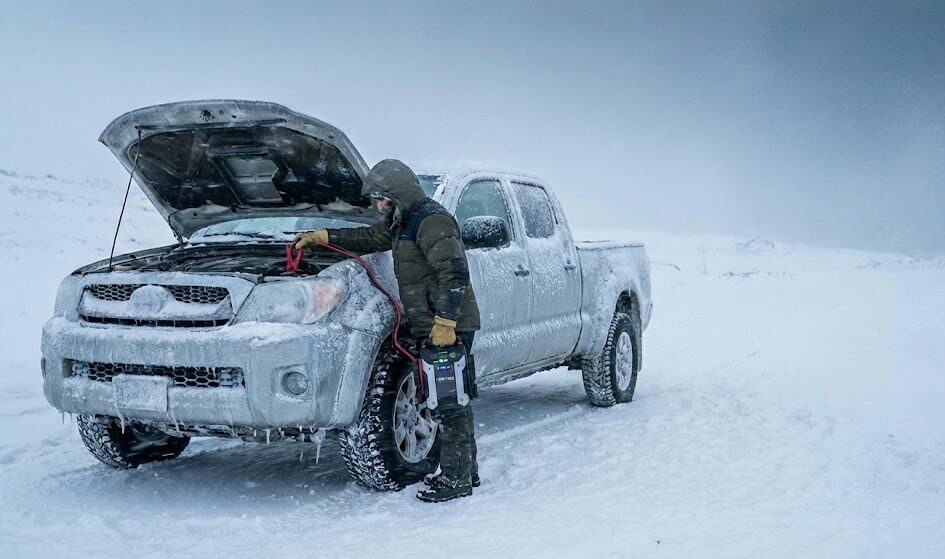
How to Choose the Right Jump Starter
Peak amps and engine size
Look for at least 1,000A–2,000A peak current for most cars and SUVs, and up to 3,000A–6,000A for trucks, diesel engines, or RVs. The higher the peak amps, the more powerful the jolt when your battery is completely dead.
For winter use, check the manufacturer’s rating for maximum engine size (e.g., “up to 8L gas, 6L diesel”) and make sure it covers your vehicle class.
Cold‑weather performance and battery type
Many jump starters use standard lithium‑ion batteries that lose charge quickly in storage and struggle in extreme cold. The best models for Arctic conditions now use more stable lithium chemistry or LiFePO₄‑type cells, designed to retain charge longer and work down to around ‑20°C to -30°C.
Standby time is critical: some units can hold their charge for up to 18–24 months, which is ideal for winter‑storage vehicles.
Safety and smart features
Important safety features include:
- Reverse‑polarity protection
- Spark‑proof or spark‑resistant clamps
- Over‑charge, over‑discharge, and short‑circuit protection
- Boost button for severely depleted batteries
These protections reduce the risk of mistakes during dark, snowy roadside emergencies.
Portability, ports, and extras
For everyday use, a compact jump starter that fits in a glovebox or small backpack is ideal. Some models add:
- USB‑A and USB‑C ports for phone/tablet charging
- LED work light, strobe, or SOS modes
- Built‑in air compressor for tire inflation
- 12V DC output for tire inflators or small accessories
Think of a portable jump starter as an all‑in‑one emergency battery pack that keeps your electronics and vehicle powered when you need it most.
Top 6 Jump Starters for 2026
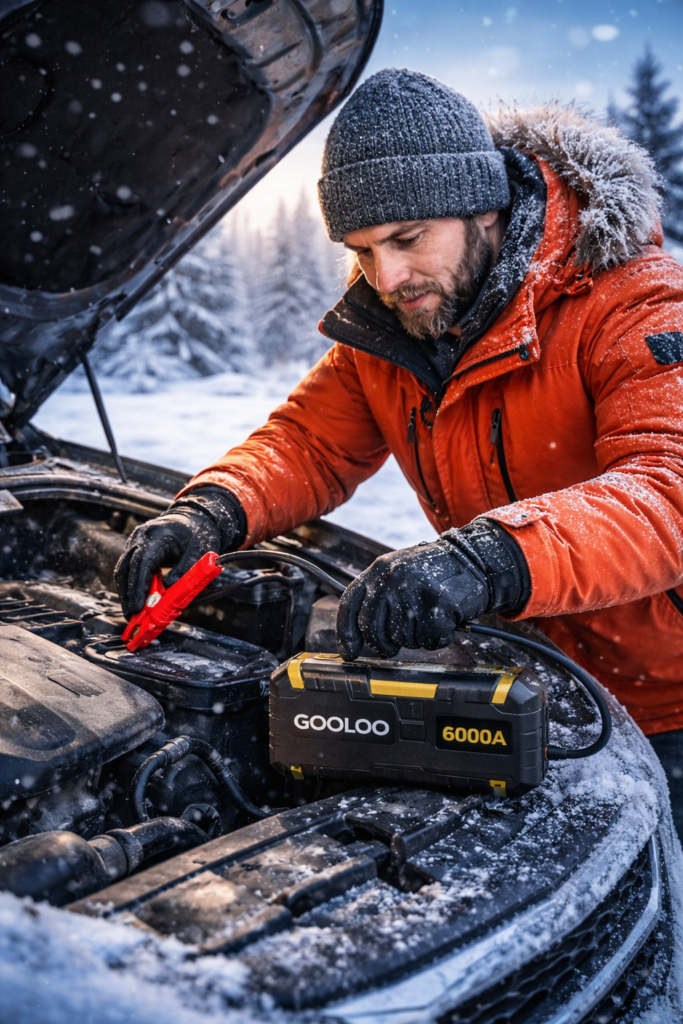
1. GOOLOO GT6000 – Best for Large Engines & Arctic Reliability

The GOOLOO GT6000 stands out as one of the most powerful and feature‑rich jump starters on the market, ideal for SUVs, trucks, and larger engines commonly used in harsh climates.
- Capacity: 27,000 mAh
- Peak amperage: 6,000A
- Engine support: up to 12L diesel and large gas engines
- Standby time: up to 24 months
- Recharge time: around 1.4 hours via 100W USB‑C
- Ports: 100W USB‑C, 18W + 12W USB‑A, 15V/10A DC output
- LED work light with flashlight, strobe, and SOS modes
- IP65‑rated for dust and water resistance (useful in wet, snowy conditions)
Why it’s great: massive capacity, rapid recharge, multiple ports, and rugged build.
Arctic suitability: excellent for large SUVs, trucks, RVs, and Arctic trips where long storage and cold‑start reliability matter.
Check latest price on Amazon →
2. NOCO Boost Plus GB40 – Best Compact & Everyday Choice
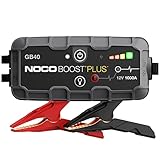
The NOCO Boost Plus GB40 is a compact, reliable jump starter widely praised for everyday use in cars, small SUVs, and motorcycles.
- Peak amperage: 1,000A
- Capacity: around 2,150 mAh
- Engine support: up to 6L gas and 3L diesel engines
- Features: patented spark‑proof and reverse‑polarity clamps, 7‑mode LED flashlight (including SOS)
- USB‑A output plus 12V outlet options
Why it’s great: small size, robust safety tech, easy to toss in a glovebox.
Arctic suitability: excellent for daily drivers and winter city use; a portable jump starter like the NOCO Boost Plus GB40 fits easily in a glovebox.
Check latest price on Amazon →
3. AstroAI S8/S8 Ultra – Best Budget Jump Starter
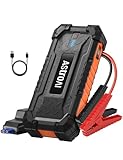
The AstroAI S8 (and S8 Ultra) offers a compelling balance of performance and price for drivers who want a capable jump starter without overspending.
- Peak amperage: around 1,500A–4,000A depending on model
- Capacity: roughly 10,000–27,000 mAh
- Engine support: up to about 6L–8L gas engines
- Features: built‑in LED light, multiple USB ports, compact design
Why it’s great: excellent value, simple interface, solid clamps and safety features.
Arctic suitability: good for many cars, crossovers, and light trucks, but keep it charged during winter storage; this compact jump starter works well as an emergency battery pack for road trips.
Check latest price on Amazon →
4. Battery Tender 2000 AMP / Charge N Start 4120 – Best for Cold Starts & Charging

Brands like Battery Tender combine jump‑starting with smart battery charging, which is especially useful for garage‑kept cars, winter storage, or classic vehicles.
Key features (varies by model):
- Peak amperage: 800–1,200A (for common vehicles)
- Some models include full‑fledged 4A battery charging
- Spark‑proof, reverse‑polarity protection
- Compact compared to shop‑style units
Why it’s great: dual purpose (jump starter + charger), very reliable for colder climates.
Arctic suitability: ideal for winter storage, RVs, boats, and secondary vehicles that sit unused for weeks; a smart car battery booster that keeps your engine ready for cold starts.
Check latest price on Amazon →
5. Etenwolf Helios J1 – Best Value for Compact Power

The Etenwolf Helios J1 packs impressive power into a relatively small, lightweight package, making it a strong value pick for ArcticFinds readers who need versatility without overspending.
- Peak amperage: 2,000A
- Capacity: 16,000 mAh
- Engine support: up to 8L gas and 6.5L diesel engines
- IP65 rating for water and dust protection
- LED flashlight with 4 modes
- 18W USB‑A and 30W USB‑C ports
Why it’s great: compact, powerful, 18‑month standby, strong safety features.
Arctic suitability: well‑rounded for cars, SUVs, and light trucks that face long winter storage; a versatile jump starter and emergency battery pack for off‑grid use.
Check latest price on Amazon →
6. Clore Automotive Jump‑N‑Carry (JNC series) – Best for Shops & Heavy‑Duty Work
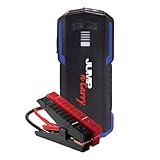
For workshops, farms, or Arctic workplaces with multiple vehicles, the Clore Automotive Jump‑N‑Carry series (e.g., JNC325 or JNC770R) provides serious power and long cables.
- Peak amperage: 1,700A–2,000A (varies by model)
- Models typically use a 12V lead‑acid or AGM battery (often 18–22 Ah), not mAh, so specs are different from lithium‑ion jump starters
- Very long, heavy‑duty cables, excellent for hard‑to‑reach batteries
- Digital voltage display and dedicated LED work light
Why it’s great: massive power, stable platform, ideal for garages and fleets.
Arctic suitability: best kept in a heated garage or workshop for periodic use on trucks, heavy‑duty vehicles, and snow‑plow equipment; more of a shop‑style jump starter than a portable one.
Check latest price on Amazon →
Quick Comparison: Top 6 Jump Starters
| Model | Peak Amps | Best For | Cold‑Weather Notes |
|---|---|---|---|
| GOOLOO GT6000 | 6,000A | SUVs, trucks, RVs, Arctic trips | Excellent cold‑start capability, long standby, IP65‑rated |
| NOCO Boost Plus GB40 | 1,000A | Compact cars, motorcycles, daily use | Good for everyday use; keep charged in winter |
| AstroAI S8/S8 Ultra | 1,500A–4,000A | Budget‑friendly, cars, light SUVs | Watch battery level in long storage |
| Battery Tender 2000 / 4120 | 800A–1,200A | Winter storage, RVs, classic cars | Smart charging helps in cold climates |
| Etenwolf Helios J1 | 2,000A | Compact but powerful for cars/SUVs | 18‑month standby, IP65‑rated, great for Arctic use |
| Clore Jump‑N‑Carry | 1,700A–2,000A | Workshops, fleets, heavy‑duty trucks | Best for garage‑based use in winter; robust shop‑style jump starter |
Cold‑Weather Jump Starter Tips
Storing your jump starter in winter
Even cold‑resistant models perform better when kept above freezing. If possible, store your jump starter in the cabin (not the trunk) during extremely cold periods, and recharge it every 3–6 months.
Carry a portable jump starter that can be moved into a warmer space, such as your home or office, if you expect long storage.
Jump‑starting a car in sub‑zero temps
- Turn the jump starter on and let it warm slightly before connecting.
- Connect clamps in the correct order (red to positive, black to chassis or negative).
- Use the boost button if your battery is completely dead.
- Let the car run for 15–30 minutes afterward to help recharge the battery.
Remember that a jump starter is an emergency battery pack for your car, not a permanent fix for a failing battery or alternator.
Jump starter vs. traditional jumper cables
In Arctic conditions, solo trips, or icy roads, a portable jump starter is much safer and more convenient than waiting for another vehicle. Traditional jumper cables require a second running vehicle, which may not be available in remote areas or during severe weather. Jump starters also eliminate the risk of incorrect connections between two vehicles and provide additional features like phone charging and emergency lighting.
However, if your battery is repeatedly failing even after successful jump starts, it’s time to replace the battery or have your alternator checked by a mechanic. A jump starter is a solution for occasional emergencies, not a substitute for proper vehicle maintenance.
Frequently Asked Questions
How often should I recharge my jump starter in winter?
Recharge your jump starter every 3–6 months during storage, or after each use. Cold temperatures can accelerate self-discharge, so check the charge level monthly if you keep it in your vehicle during winter.
Can I leave a jump starter in my car overnight in freezing weather?
While most modern jump starters can handle cold storage, performance suffers below -20°C. For best results, bring your jump starter inside during extreme cold and warm it to room temperature before use. If you must leave it in the car, store it in the cabin rather than the trunk.
Will a jump starter work on snowmobiles and ATVs?
Yes, most portable jump starters work excellently on snowmobiles and ATVs. Look for models with at least 1,000A–2,000A peak current and compact clamps that can reach smaller battery terminals. The NOCO GB40 and Etenwolf Helios J1 are particularly well-suited for powersports applications.
What’s the difference between peak amps and cranking amps?
Peak amps represent the maximum current the jump starter can deliver in a brief burst (usually 3–5 seconds), which is what you need to turn over a dead engine. Cranking amps measure sustained current delivery. For cold weather, focus on peak amps ratings that match or exceed your engine size requirements.
Final Recommendation: Best Jump Starter for Arctic Conditions
For most ArcticFinds readers, the GOOLOO GT6000 offers the best combination of power, reliability, and features for harsh winter conditions. Its massive 6,000A peak current handles everything from compact cars to large diesel trucks, while the 24-month standby time means it’s ready when you need it, even after months of storage.
If you drive a standard car or SUV and need something more compact, the Etenwolf Helios J1 delivers excellent value with 2,000A peak current and 18-month standby in a glovebox-friendly package. For daily city driving, the NOCO Boost Plus GB40 remains the gold standard for portability and safety features.
Workshop owners and fleet managers should consider the Clore Jump‑N‑Carry series for its professional-grade construction and long cables, while the Battery Tender models excel for vehicles in long-term winter storage that need both jump-starting capability and smart charging.
No matter which model you choose, carrying a portable jump starter in Arctic and winter conditions isn’t optional—it’s essential safety equipment that belongs in every vehicle alongside your winter tires and emergency kit. Stay safe out there, and never let a dead battery leave you stranded in the cold.