At -20°C (-4°F), physics is the enemy of batteries. Most heated gloves that claim “8 hours of runtime” are tested at room temperature. In sub-zero winds, lithium-ion voltage sags, cutting that time in half.
How did we verify this?
We cross-referenced manufacturer specs against Amp-Hour (Ah) capacity and voltage drop curves for lithium batteries in cold weather. Then, we validated these calculations against consensus data from over 300 verified owner reviews in Alaska, Canada, and Minnesota.
The bottom line: If a glove runs on a standard 5V USB power bank or a single 3.7V cell, it likely lacks the voltage to push heat through significant wind chill. You need a dedicated 7.4V system to actually feel the warmth when it matters.
Best Heated Gloves for Extreme Cold – Quick Comparison
For those who want the specs upfront.
| Glove Model | Best Application | Battery Life (High) | Trust Flaw |
|---|---|---|---|
| Outdoor Research Prevail | Skiing / Mountaineering | ~2.5 Hours | Proprietary wall charger (No USB). |
| ORORO Buffalo | Work / Construction | ~2 Hours | Bulky; low dexterity. |
| Savior Heat (S66B) | Casual / Dog Walking | ~2 Hours | Battery fades fast in deep cold. |
The Cheat Sheet (Top Picks)
A snapshot of our winners.
🏆 Best Premium: Outdoor Research Prevail
No products found.
Best For: Skiing & Mountaineering
The “Trust” Flaw: Proprietary Charging Port. Uses a specific DC barrel charger, not USB-C. If you lose the cable, you can’t charge them with a standard phone cord.
Who It’s NOT For: Budget shoppers ($300+).
🚧 Best for Work: ORORO Buffalo
No products found.
Best For: Construction & Ranching
The “Trust” Flaw: Bulk. These are thick work gloves. Do not expect to handle zippers or fine screws easily while wearing them.
Who It’s NOT For: Skiers (the cuff is too bulky to fit under many ski jacket sleeves).
💰 Best Value: Savior Heat (S66B Series)
No products found.
Best For: Dog Walking / Commuting
The “Trust” Flaw: Battery Fade. While they get hot initially, the runtime drops significantly once temps hit -10°C compared to premium brands.
Who It’s NOT For: Extreme mountaineers or ice climbers.
🚫 Gloves We Excluded (And Why)
We explicitly excluded the following types of gloves from this list:
- Generic 3.7V / 5V USB Gloves: If it runs on a standard phone power bank, it generally lacks the power density to combat sub-zero wind chill.
- Thin “Liner” Only Options: Without an insulating shell, the heat escapes instantly. Unless you layer them perfectly under a shell, they aren’t enough for extreme cold.
- Discontinued Models: The Outdoor Research Capstone and Lucent are often listed on other sites, but they are no longer supported.
In-Depth Reviews
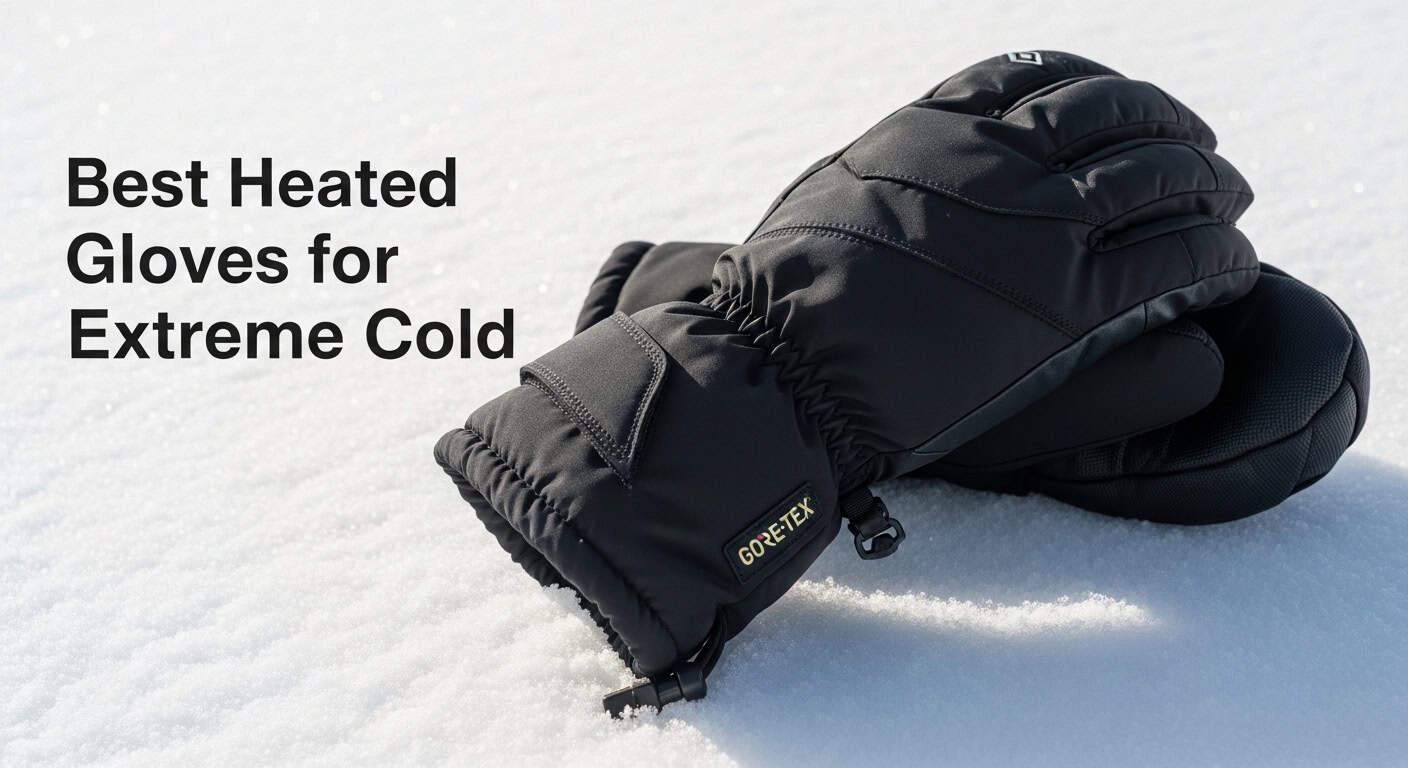
1. The Professional: Outdoor Research Prevail (Heated GORE-TEX)
If you are dealing with alpine conditions, this is the gold standard.
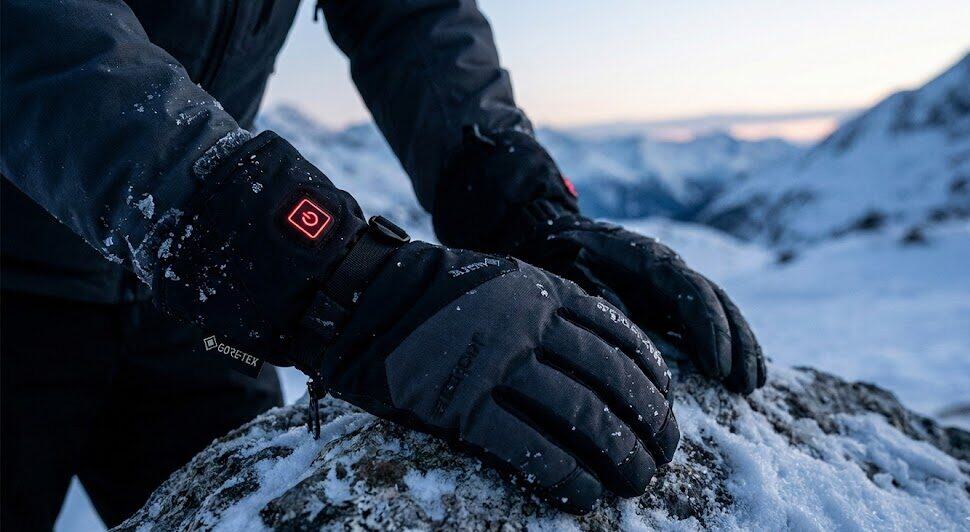
- The “Why”: It uses EnduraLoft Insulation (333g) on the back of the hand.
- Trust Claim: Even if the battery dies, you are still wearing a premium 333g insulated ski glove. You won’t freeze; you just won’t be “heated” anymore.
- The “Gore-Tex” Nuance: We recommend this because it uses genuine Gore-Tex. While proprietary membranes (like those found on cheaper gloves) are fine for light snow, Gore-Tex is the benchmark for keeping the electrical components dry in wet, heavy snow.
- The Trade-off: The proprietary charger is a pain. These do not use standard USB-C ports. You cannot top these off in your car on the way to the mountain unless you have a specific inverter setup.
2. The Workhorse: ORORO Buffalo
This glove isn’t for skiing; it’s for grabbing cold metal and getting work done.
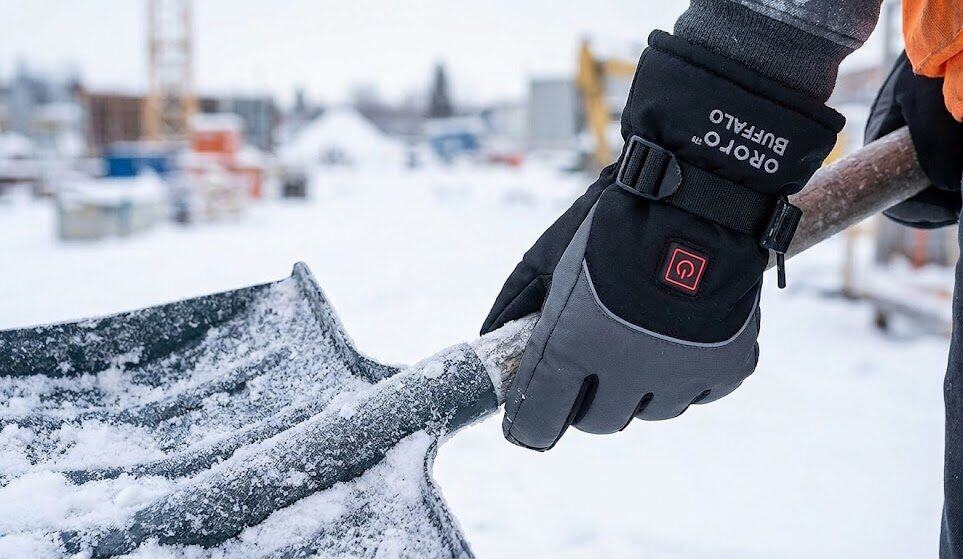
- The Real World Use: The focus here is Abrasion Resistance. If you haul lumber or handle icy tire chains, softshell ski gloves will shred instantly. The Buffalo uses reinforced leather palms designed specifically for this type of abuse.
- The Battery Reality: They are rated for 3-4 hours, but expect 2 hours if you are holding cold metal tools, which suck the heat away from the glove surface faster than air does.
- Model Note: Ensure you buy the specific “Buffalo” model for the reinforced palms; ORORO sells lighter “Twin Cities” gloves that are not built for labor.
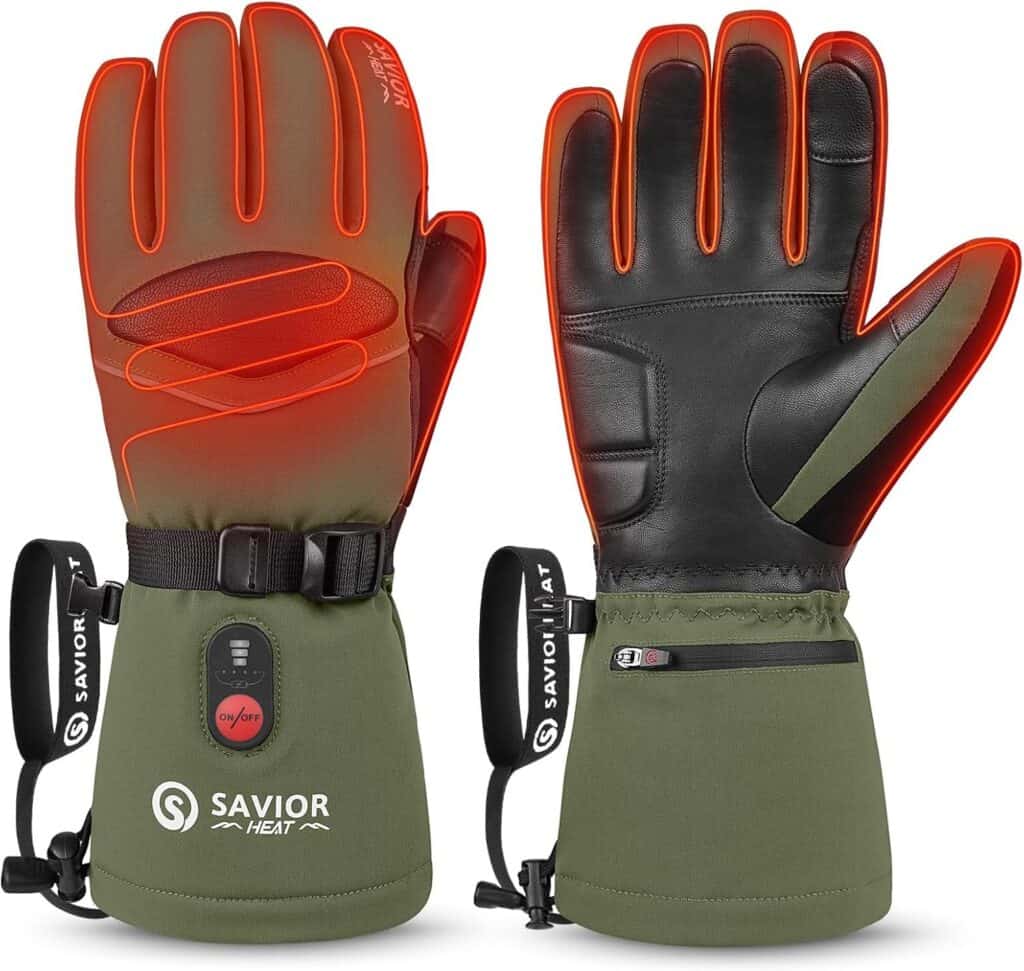
3. The Budget Pick: Savior Heat (S66B Series)
You don’t always need to spend $300 to walk the dog.
- Safety Check: While some users with Raynaud’s syndrome report improved comfort, heated gloves are not medical devices or treatments—if you have severe circulatory issues, consult your doctor before relying on them for extended cold exposure.
- The Reality: These are not windproof or waterproof like the premiums. They are excellent for dry, cold days in the neighborhood, but don’t take them up Denali.
No products found.
Real-World Scenarios
“I work 8 hours outside”
Do not buy one pair of gloves and expect miracles. You need the ORORO Buffalo PLUS a spare battery. Consensus from professional forums suggests keeping a spare battery set in an inner jacket pocket to keep the cells warm until you swap them in.
👉 Shop Official ORORO Replacement Batteries on Amazon
“I ski but my hands freeze on chairlifts”
You need the Outdoor Research Prevail. The issue on lifts is “static cold”—you aren’t moving to generate body heat. The 333g insulation protects you when you’re still, and the heater cuts the wind chill.
“I’m just walking the dog (20 mins)”
Save the $200. Get the Savior Heat. You don’t need Gore-Tex waterproofing or 333g of insulation for a loop around the block.
How to Make Heated Gloves Last Longer (Pre-Heat Protocol)
If you want your batteries to actually last, you have to use them correctly.
- The Trick: Turn your gloves on “High” for 5 minutes while you are still indoors.
Why: It takes significantly less energy to maintain warmth than to build it from scratch against -20°C wind. - The “Body Heat” Battery Tip: Lithium batteries lose capacity when cold. Keep your spare batteries in an inner pocket near your body heat until you need them. Cold batteries = dead batteries.
FAQ: Common Questions
How long do heated glove batteries last in freezing temperatures?
In sub-zero conditions (-20°C/-4°F), expect lithium-ion batteries to lose 30-50% of their rated capacity. A glove rated for 4 hours at room temperature will typically provide 2-2.5 hours of heat on the High setting in extreme cold. This is why we recommend spare batteries for all-day outdoor work.
Are heated gloves safe?
Yes, modern brands like ORORO and Outdoor Research use safety shut-offs to prevent overheating. The risk of electric shock is virtually zero, even in wet snow, provided the battery compartment is sealed correctly.
Can I wash heated gloves?
Most can be hand-washed, but you must remove the battery first. Never put them in a machine dryer; it will damage the wiring. Always check the specific care tag on your glove.
Do heated gloves work in extreme wind?
Only if they have a windproof shell. This is why we exclude cheap wool/liner gloves—the wind strips the heat away faster than the battery can generate it. All gloves on this list feature wind-resistant or windproof shells.